




What makes an imm truly competitive in today’s market?
In today’s injection moulding landscape, manufacturers are under increasing pressure to ‘do more with less’. Rising energy prices, sustainability targets, global insecurity and ongoing skills shortages are all driving a shift in how production is approached across the UK and beyond.
As a result, the focus is no longer simply on clamp force and mould height. Instead, moulders are prioritising efficiency, consistency, and long-term reliability when considering their machine purchases.
Energy consumption in particular has become a critical factor. With electricity costs remaining unstable, the ability to reduce overall kWh can have a significant impact on margins. Alongside this, manufacturers are looking for machines that can deliver repeatable quality with minimal intervention and maintenance requirements.
Automation and connectivity also play a larger role. Integration with robots, along with the ability to monitor production data in real-time, is becoming a standard expectation rather than a future ambition.
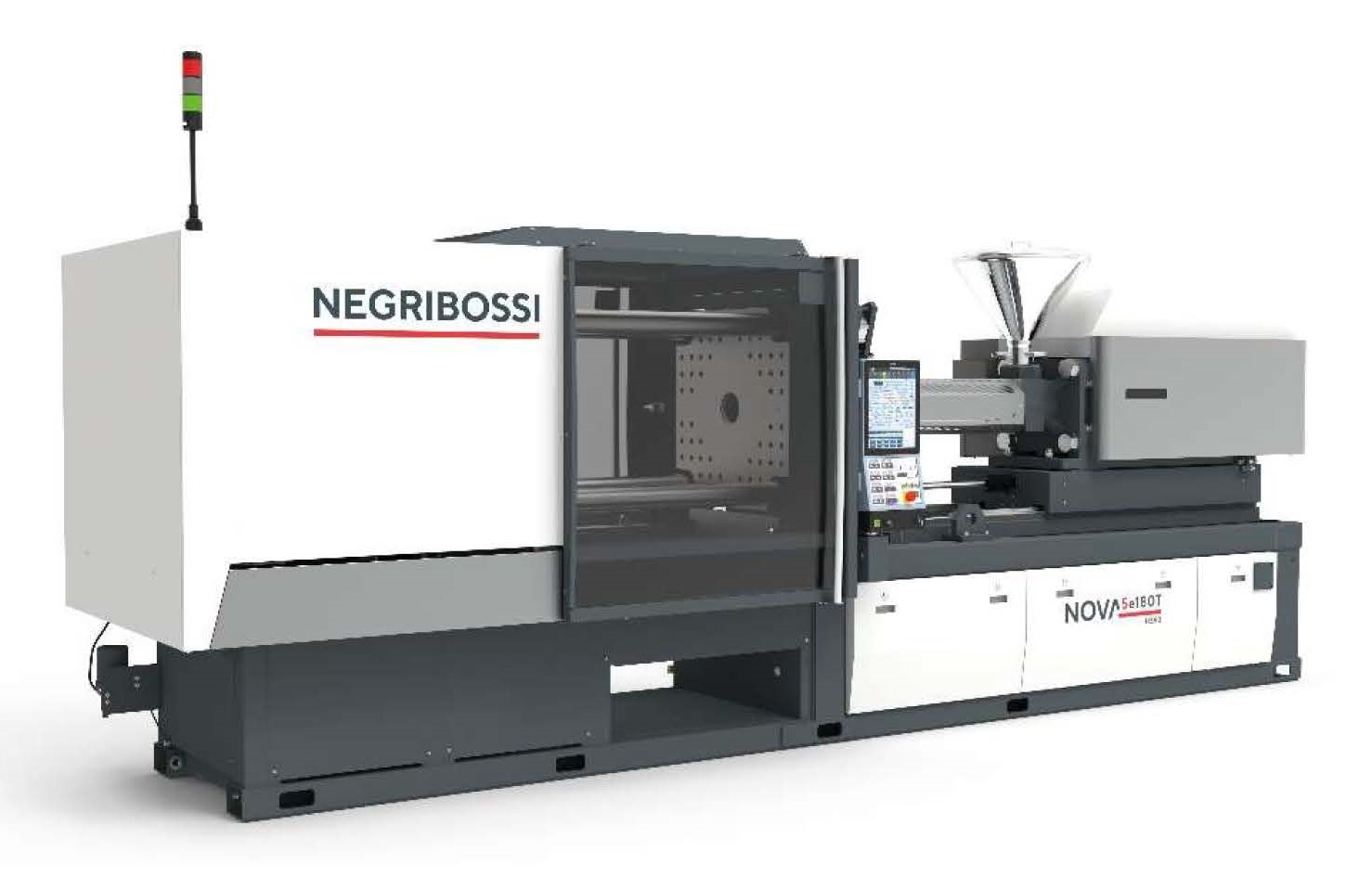
This is where established machinery suppliers like Negri Bossi, continue to play a key role. With a long-standing reputation in the plastics industry, Negri Bossi has evolved its portfolio to meet the demands of modern manufacturing. In collaboration with Nissei, their range of all-electric and hybrid machines are designed to deliver high levels of energy-efficiency, whilst maintaining the precision and reliability that customers have grown to depend on.
In practical terms, this translates to lower operating costs, improved process stability and reduced downtime.
Negri Bossi is also investing in the future through their partnership with the Polymer Training and Innovation Centre in Telford. PTIC gives trainees hands-on experience with the latest technology, helping to build a skilled workforce of future plastics professionals. The on-site, all-electric Nova 5eT means attendees to PTIC have the opportunity to work and train on the most contemporary industry machinery.
For manufacturers evaluating their next investment, the question is no longer just about capability, but about how technology can support long-term resilience and growth. Those who embrace robust and efficient solutions today, will be best positioned to succeed in the years ahead.